News search

E.g., 23/03/2026
E.g., 23/03/2026
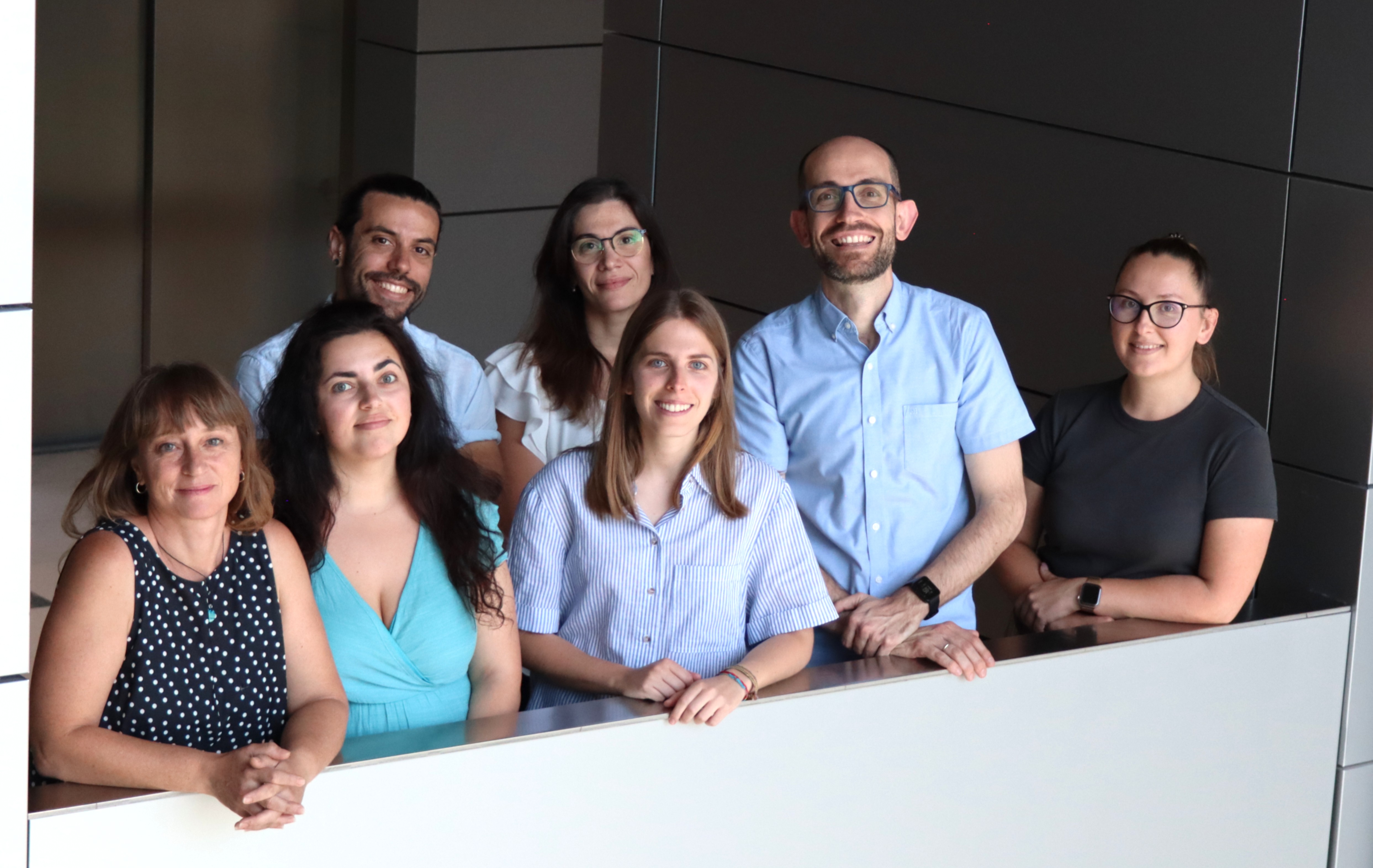
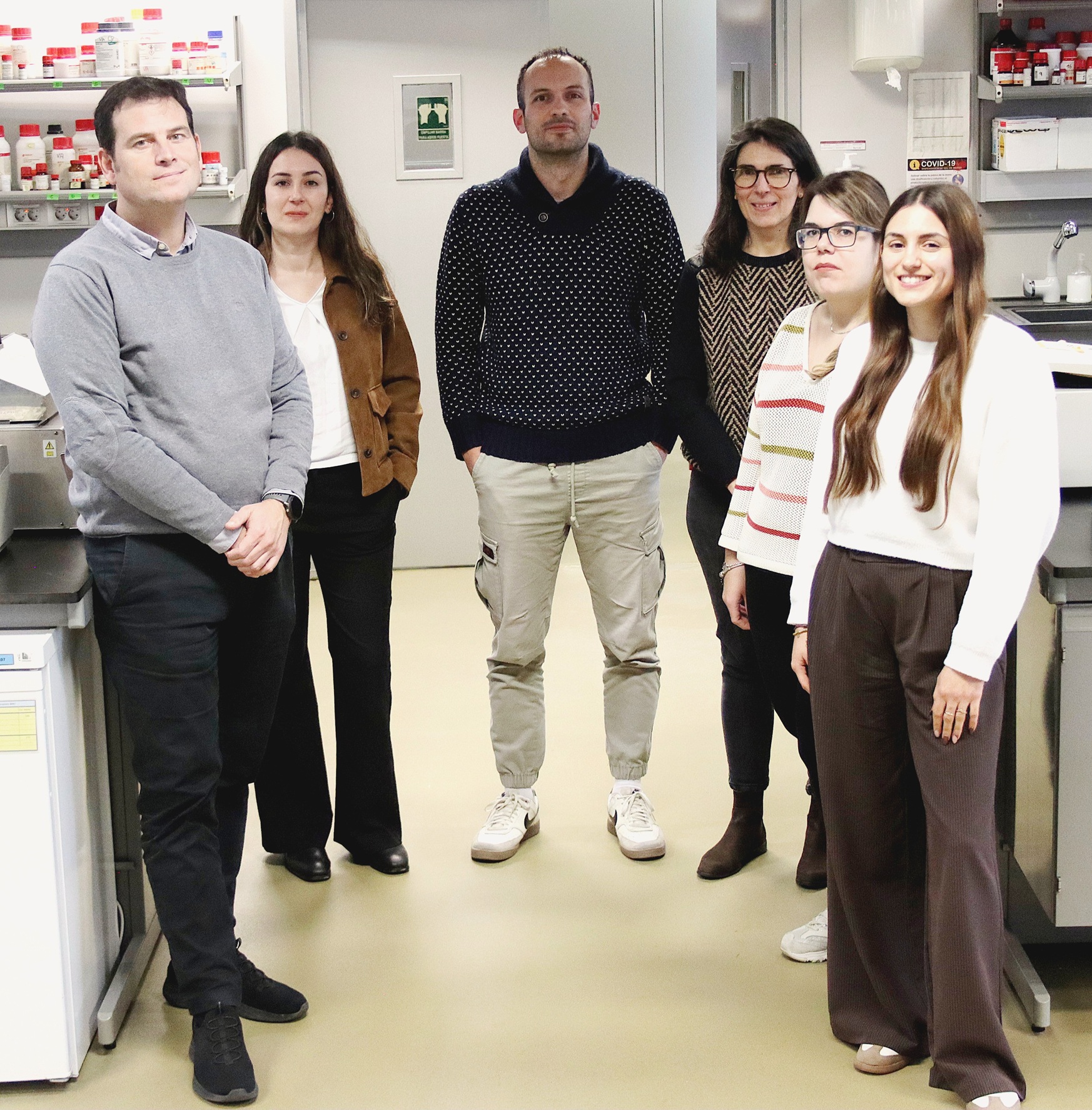
From left to right, Borja Ibáñez, Laura Cádiz, Agustín Clemente Moragón, Ángela Pollán, Lucía López Palomar, and Anabel Díaz Guerra.
Research
26 Feb 2026

The study shows that a simple, non-pharmacological technique known as remote ischemic conditioning (RIC) can protect the heart during treatment with anthracyclines

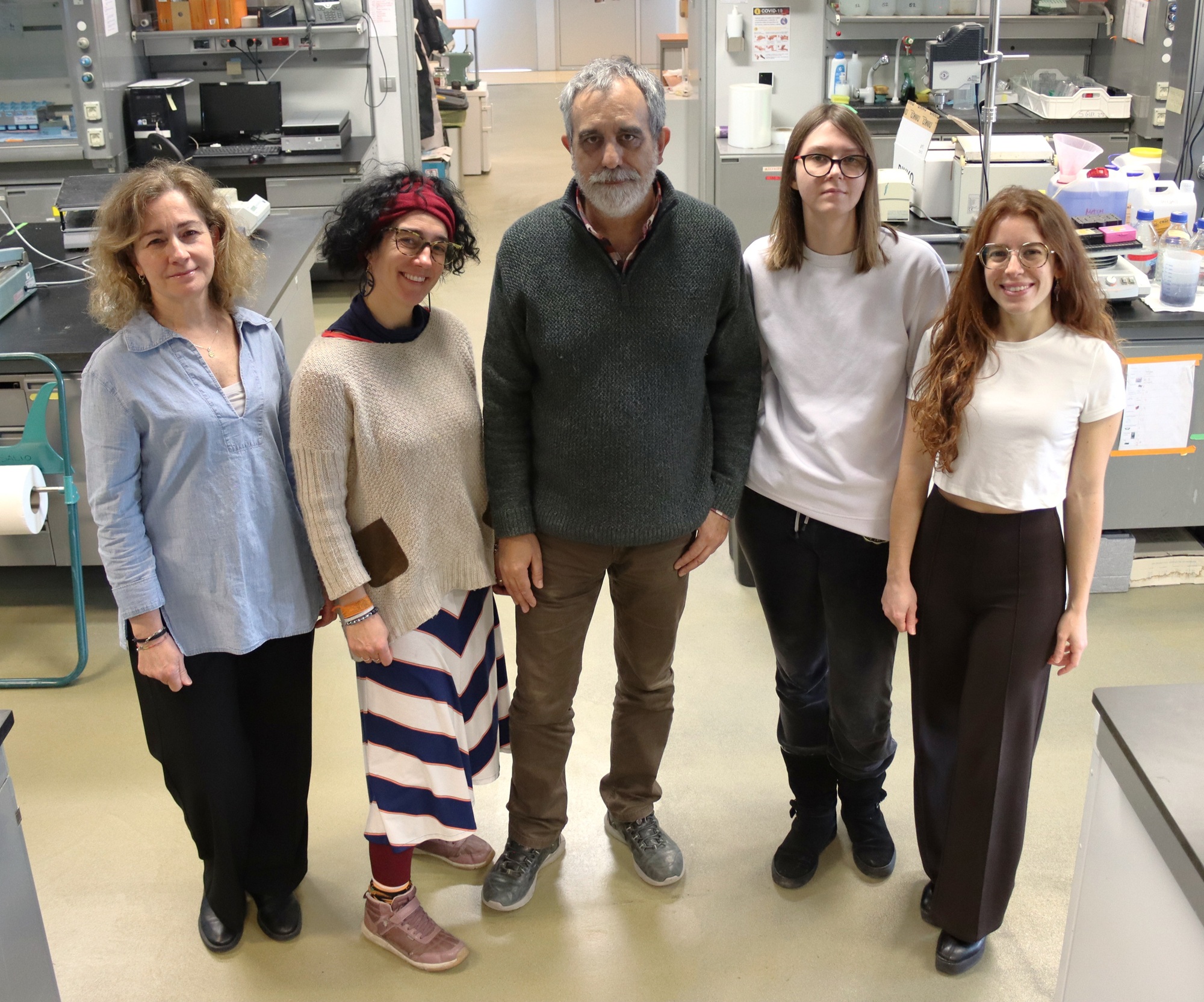
Raquel Martínez de Meno, Rebeca Acín Pérez, José Antonio Enríquez, Sara Jaroszewicz y Rebeca Sanz-Cortés.
Research
16 Feb 2026

A new CNIC-led study shows that a genetic tool derived from baker’s yeast enables human cells to manufacture the building blocks of DNA even when their mitochondria fail.

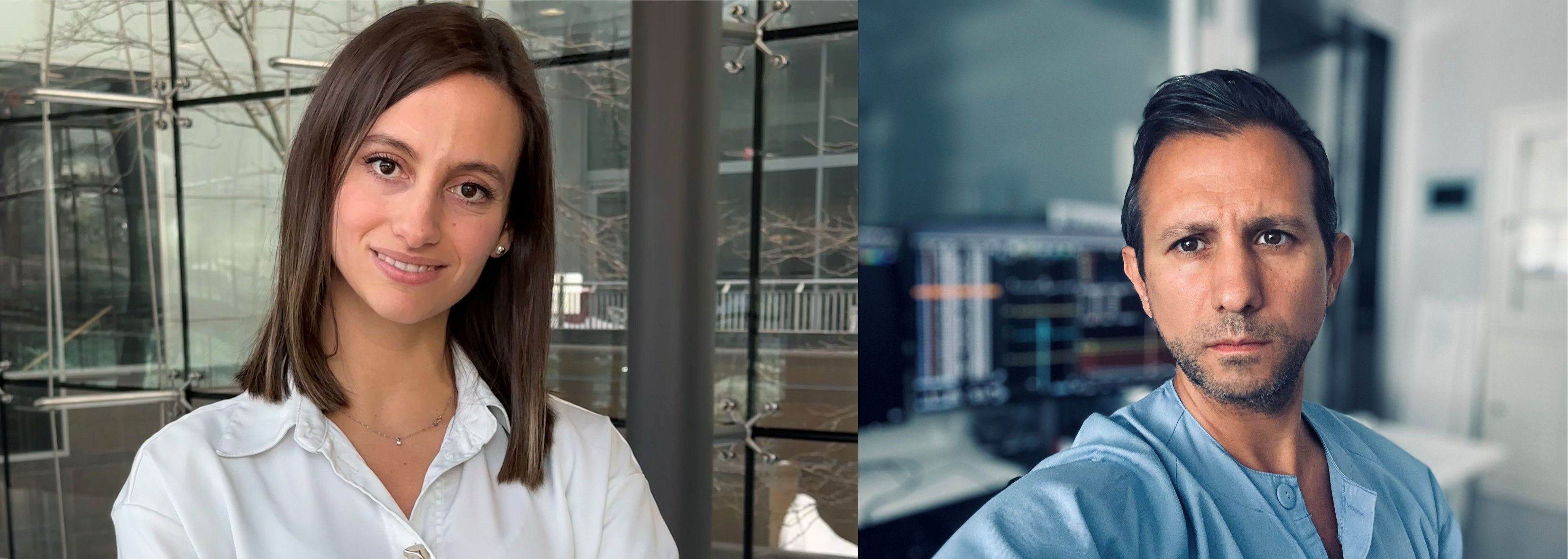
Ana Simón Chica y David Filgueiras Rama
Research
10 Feb 2026

The study, published in Circulation Research, identifies cardiac fibroblasts and resident macrophages as essential contributors to the characteristic electrical activity that maintains this arrhythmia

Foto
Research
5 Feb 2026

prespecified landmark analysis of the REBOOT trial, published in The European Heart Journal Cardiovascular Pharmacotherapy, shows no clinical benefit of beta-blockers during the first year after infarction or beyond one year, in patients without reduced ejection fraction.

call for applications
About the CNIC
3 Feb 2026

The CNIC is opening a public call for entries for visual works, until 15 February, aimed at artists who wish to participate with works in disciplines such as photography, painting, sculpture and mixed media

From left to right: Miguel Sánchez Álvarez, Miguel Ángel del Pozo, David Sancho, Ignacio Heras Murillo, Gillian Dunphy, Aitor Jarit Cabanillas, Elena Moya Ruiz, Irene Adán Barrientos
Research
28 Jan 2026

study published in Immunity reveals that type I interferons (IFN‑I) help resolve inflammation by inducing changes in macrophage mitochondria

Equipo de investigadores del CNIC liderados por la Dr. Mª Ángeles Moro. De izquierda a derecha, primera fila: Ignacio Lizasoain, Gaohong Di, Maria Angeles Moro, Alicia García-Culebras, Maria Isabel Cuartero, Francisco J. de Castro-Millan, Abndrea Rubio-Ponce, Carlos Parra-Pérez, Christina Reyburn-Valés, Carlona Peña-Martinez, Marta Marty. Segunda fila: Francisco Cantero-Molina, Eneko Merino-Casamayor, Virginia García-Sánchez, Laiura Martínez-. Cortés, Hana Matuskova, Emily McMahon
Research
20 Jan 2026

The study, published in Circulation Research, reveals that neutrophils—key immune cells—change their behavior in line with circadian rhythms, affecting cerebral perfusion and collateral circulation

Protection against blood vessel occlusion in animals with sickle cell anemia after treatment with circadian clock inhibitors. Vessel walls are shown as white lines, neutrophils in yellow, and red blood cells trapped by neutrophils in red.
Research
12 Dec 2025

A CNIC study reveals that neutrophils—a type of immune cell—are less aggressive at night, explaining why nighttime heart attacks are less severe than those occurring during the day

Neutrophils (red) accumulate in the alveoli of a flu-infected lung
Research
2 Dec 2025

An international team has published NeuMap, the first atlas to reveal the global architecture of neutrophils, showing how this “first line of defense” reorganizes to protect, remember, and heal.

David del Río-Aledo, Rubén Mota, Fátima Sánchez-Cabo, Carlos Torroja, Daniel Morales-Cano, Raúl Izquierdo-Serrano, Paula Nogales, Jesús Mateo, Leticia González-Cintado, Laura Carramolino y Ana Dopazo.
Research
12 Aug 2025

El 18FDG-PET is a type of positron emission tomography that measures how much energy the body’s cells consume.