News search

E.g., 19/02/2026
E.g., 19/02/2026
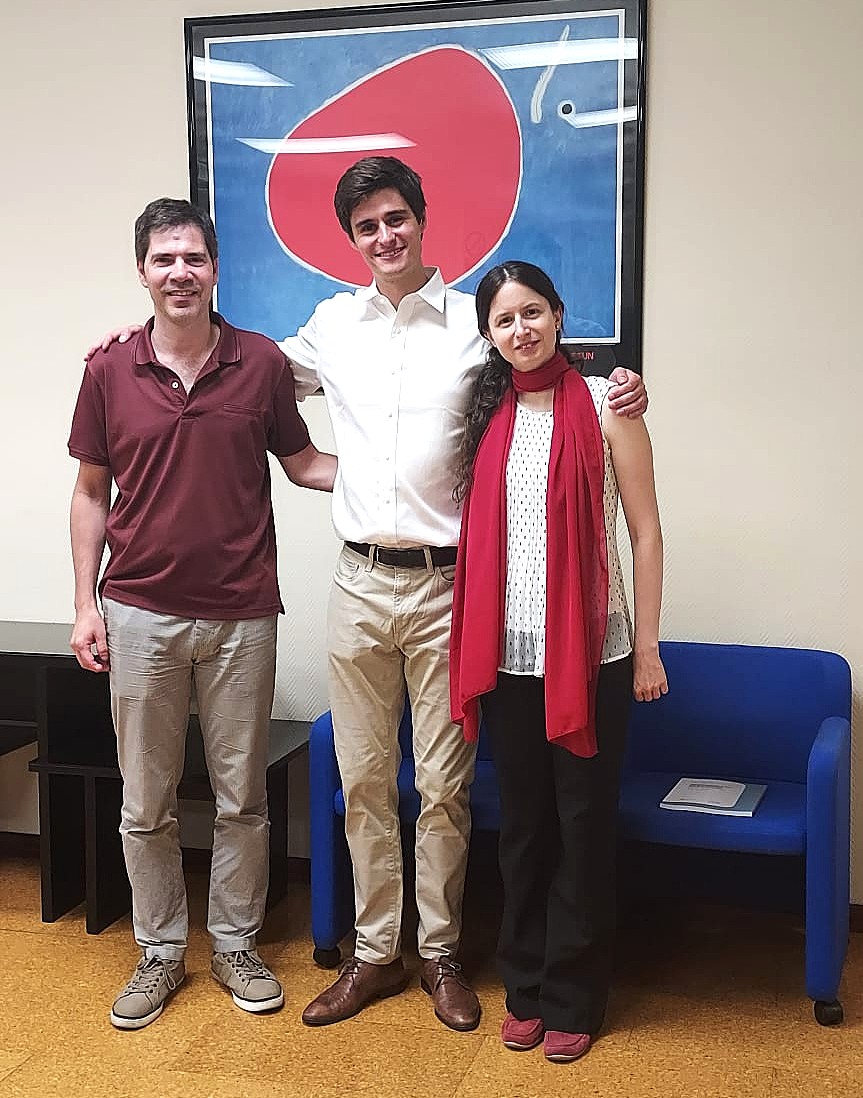
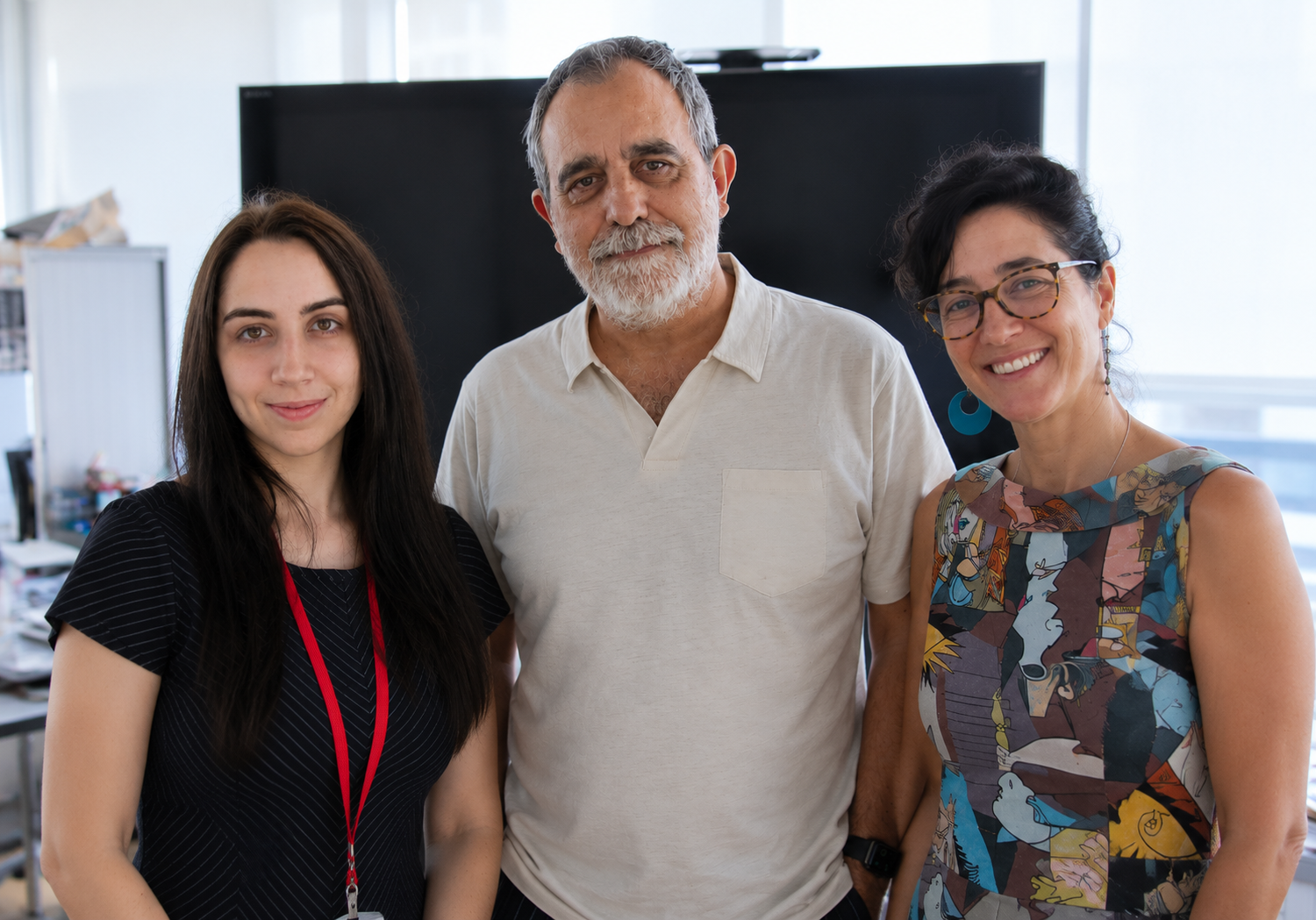
Raquel Martínez de Meno, Rebeca Acín Pérez, José Antonio Enríquez, Sara Jaroszewicz y Rebeca Sanz-Cortés.
Research
16 Feb 2026

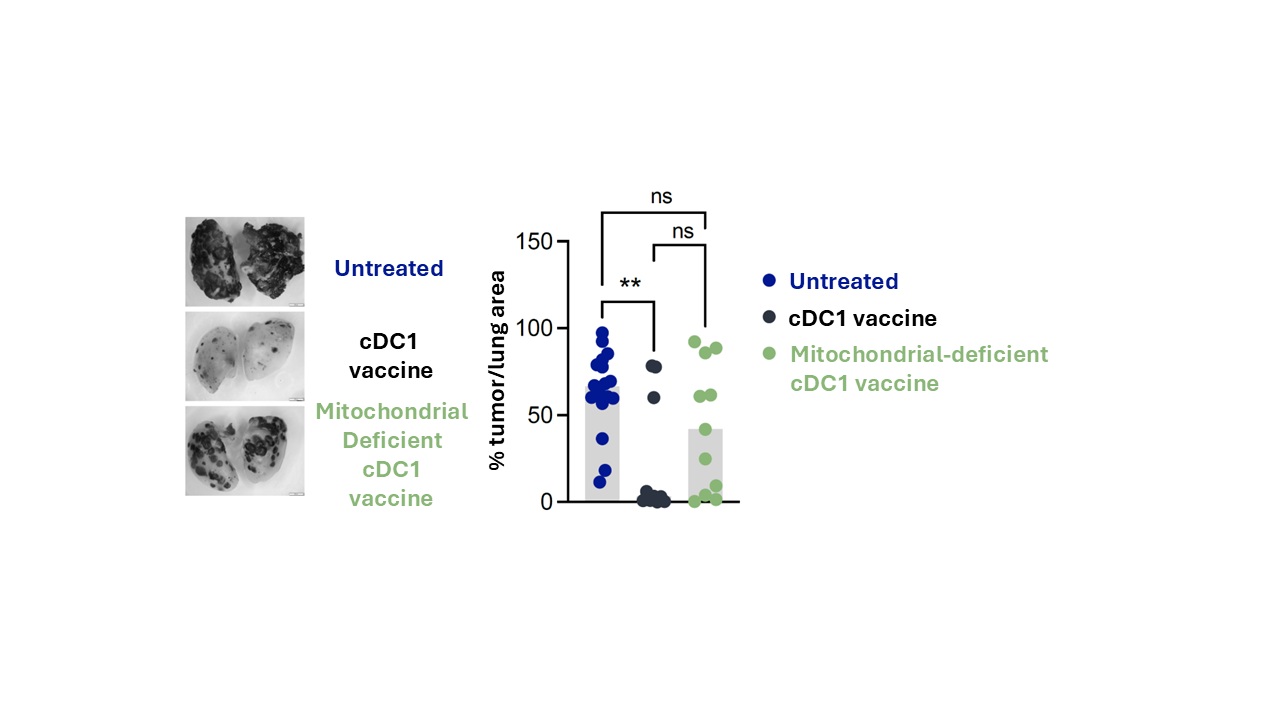
A new CNIC-led study shows that a genetic tool derived from baker’s yeast enables human cells to manufacture the building blocks of DNA even when their mitochondria fail.

Ana Simón Chica y David Filgueiras Rama
Research
10 Feb 2026

The study, published in Circulation Research, identifies cardiac fibroblasts and resident macrophages as essential contributors to the characteristic electrical activity that maintains this arrhythmia

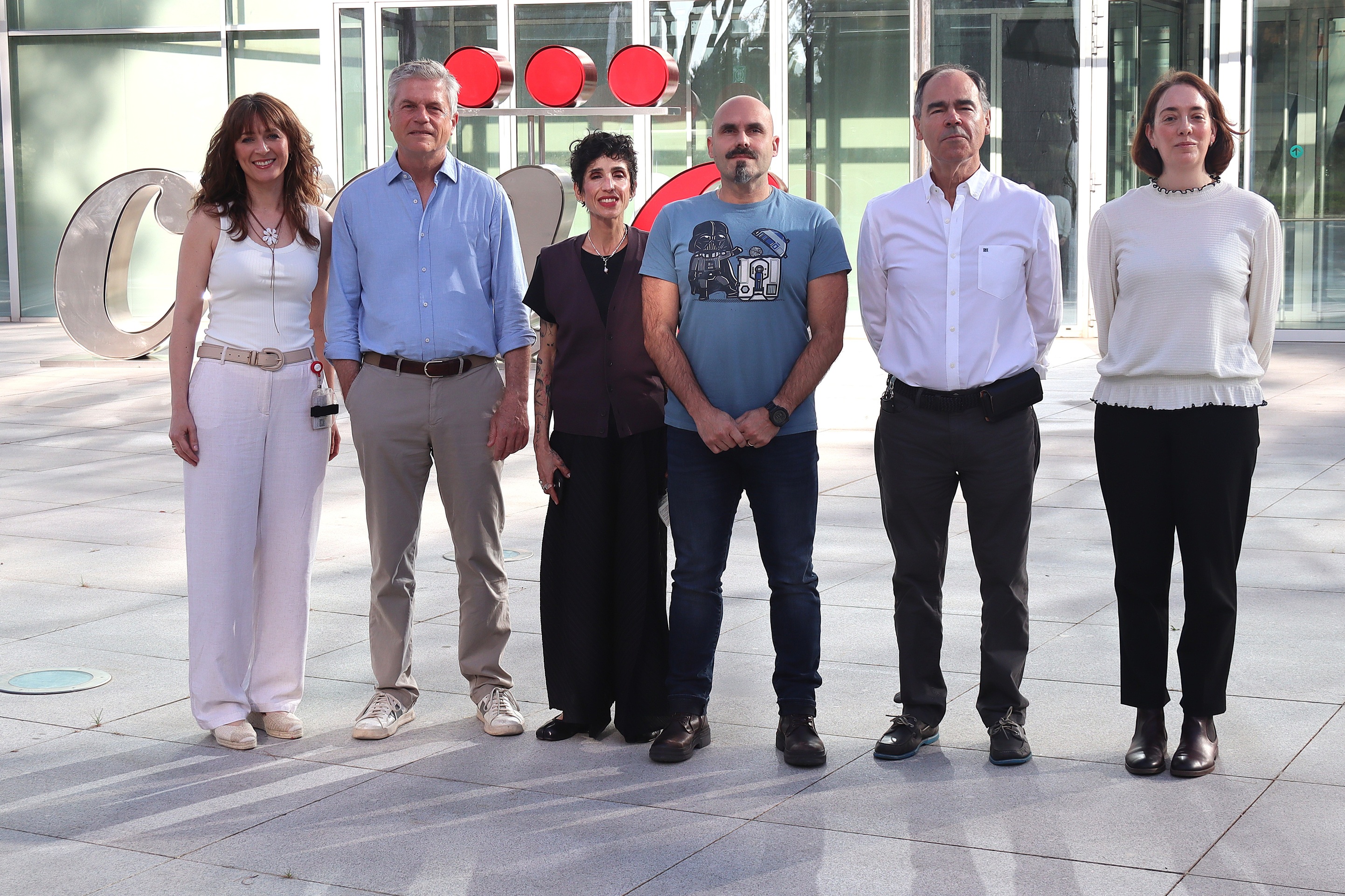
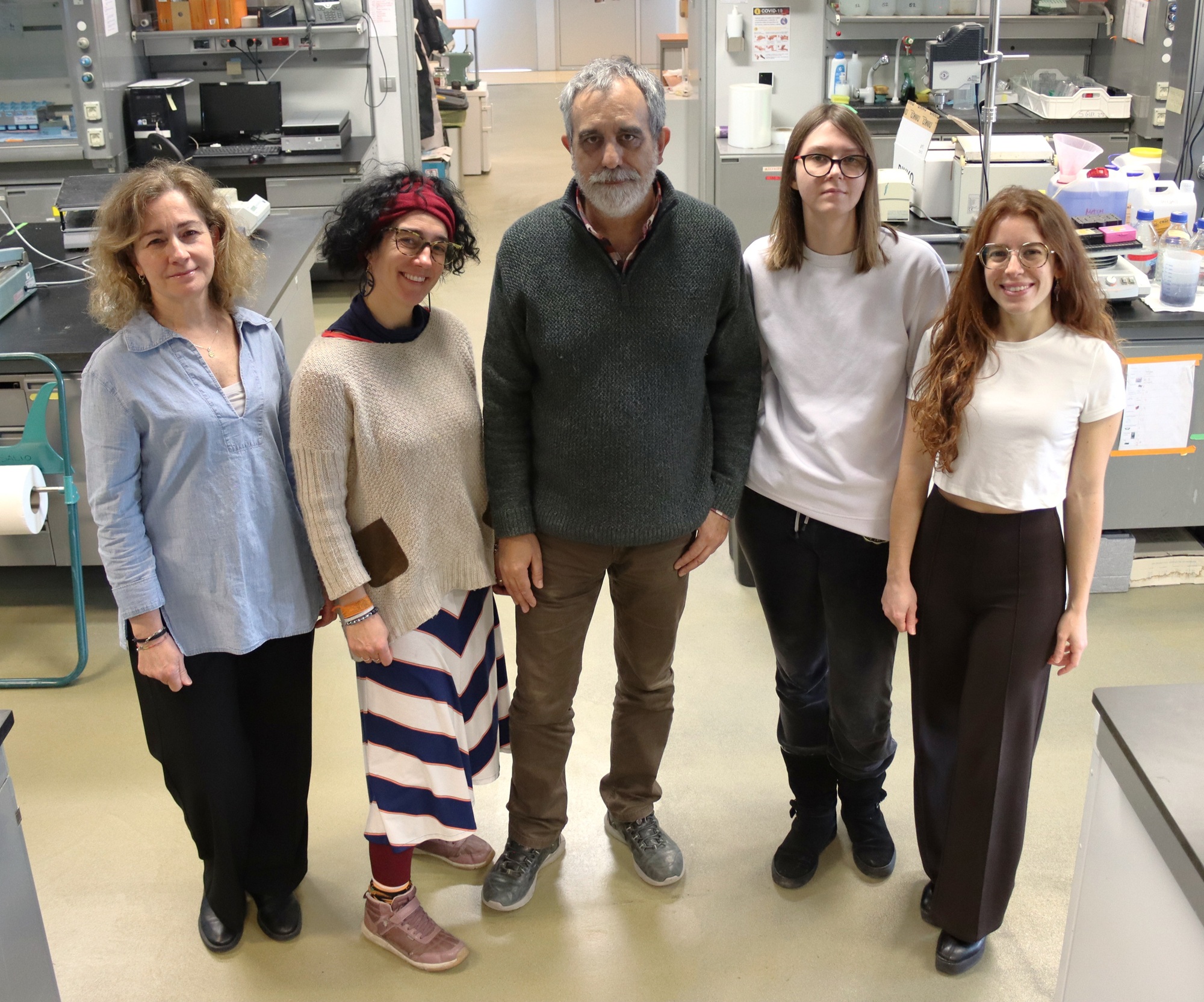
Equipo de investigadores del CNIC liderados por la Dr. Mª Ángeles Moro. De izquierda a derecha, primera fila: Ignacio Lizasoain, Gaohong Di, Maria Angeles Moro, Alicia García-Culebras, Maria Isabel Cuartero, Francisco J. de Castro-Millan, Abndrea Rubio-Ponce, Carlos Parra-Pérez, Christina Reyburn-Valés, Carlona Peña-Martinez, Marta Marty. Segunda fila: Francisco Cantero-Molina, Eneko Merino-Casamayor, Virginia García-Sánchez, Laiura Martínez-. Cortés, Hana Matuskova, Emily McMahon
Research
20 Jan 2026

The study, published in Circulation Research, reveals that neutrophils—key immune cells—change their behavior in line with circadian rhythms, affecting cerebral perfusion and collateral circulation

Héctor Bueno JACARDI
About the CNIC
15 Dec 2025

A new policy paper highlights key areas for advancing data-driven policymaking to curb the rising burden of non-communicable diseases (NCDs), setting the stage for a more effective and equitable healthcare in Europe 

Protection against blood vessel occlusion in animals with sickle cell anemia after treatment with circadian clock inhibitors. Vessel walls are shown as white lines, neutrophils in yellow, and red blood cells trapped by neutrophils in red.
Research
12 Dec 2025

A CNIC study reveals that neutrophils—a type of immune cell—are less aggressive at night, explaining why nighttime heart attacks are less severe than those occurring during the day

Jorge Alegre-Cebollada
About the CNIC
25 Sep 2025

Dr. Alegre-Cebollada will be recognized for the pioneering the study of protein mechanics in living systems, revealing how mechanical forces govern protein function and contribute to human disease.

David del Río-Aledo, Rubén Mota, Fátima Sánchez-Cabo, Carlos Torroja, Daniel Morales-Cano, Raúl Izquierdo-Serrano, Paula Nogales, Jesús Mateo, Leticia González-Cintado, Laura Carramolino y Ana Dopazo.
Research
12 Aug 2025

El 18FDG-PET is a type of positron emission tomography that measures how much energy the body’s cells consume.

Marina Rosa Moreno, Fátima Sánchez Cabo, José Luis Cabrera, José Antonio Enríquez, María Concepción Jiménez, Pablo Hernansanz Agustín  Lucía Sánchez-García.
Research
2 Jul 2025

CNIC researchers have uncovered the evolutionary logic of the OxPhos system—the cell’s “engine”—and developed a tool to detect mutations that cause mitochondrial disease

Dr. Eduardo Marbán
Sarai Martínez Cano, Marcos Femenía Muiña, Elena Hernández, Vanessa Núñez, Manuel Rodrigo Tapias, Miguel Galán Burgos, Iñaki Robles,  Alberto Benguria, David Sancho y Almudena Ramiro
Research
2 Jun 2025

A team from the CNIC has discovered the key role of conventional type 1 dendritic cells (cDC1) in atherosclerosis and has developed an experimental therapy with immunosuppressive nanoparticles that slows the progression of the disease in animal models.