News search
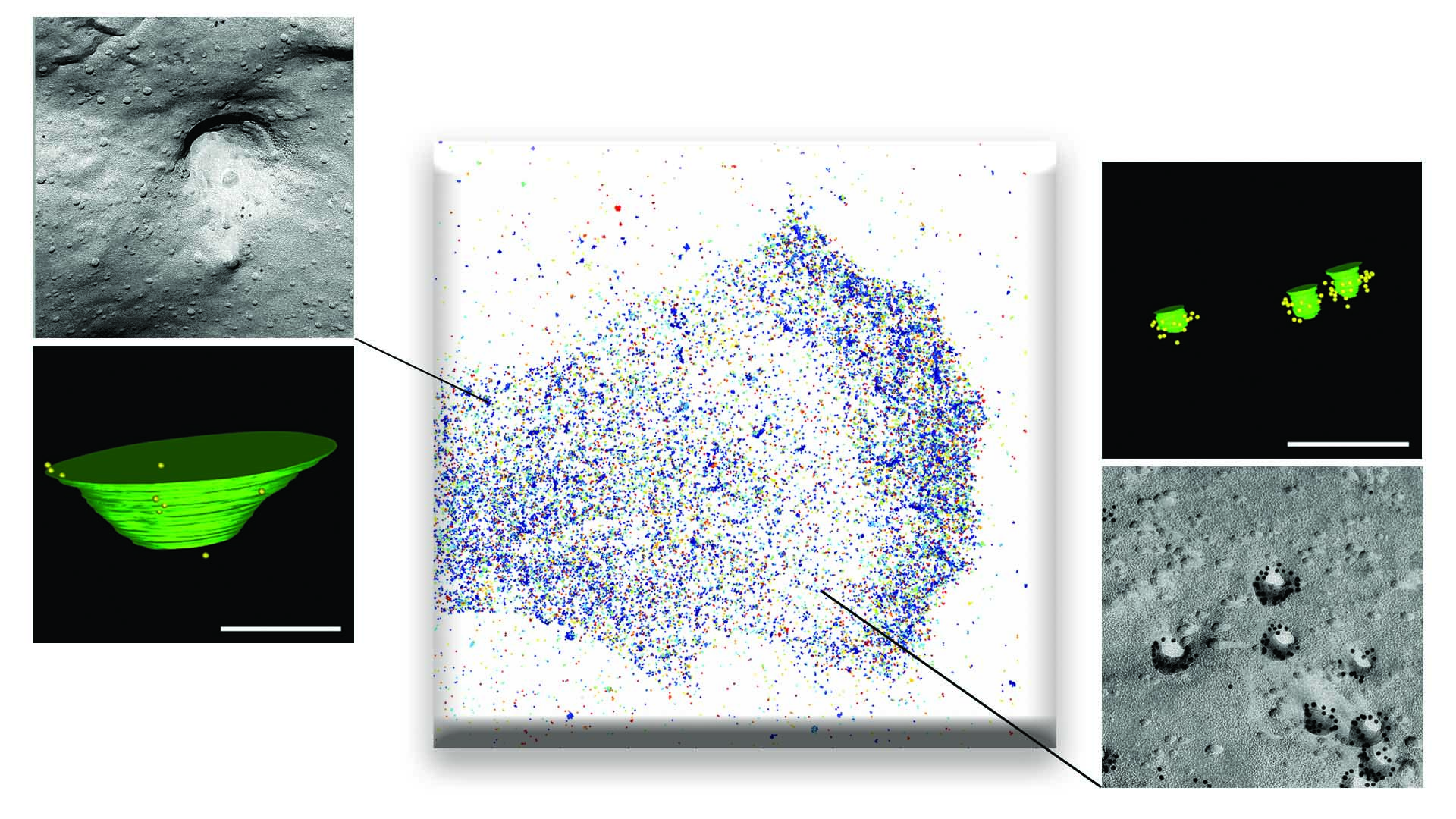 Research 23 Dec 2022 A study published in Nature Cell Biology confirms that caveolae are essential for the mechanical responses of tissues subject to large mechanical forces (such as muscle, heart, blood vessels, and fat), whereas larger membrane depressions (termed 'dolines') are important for the response to weak or medium-strength forces |
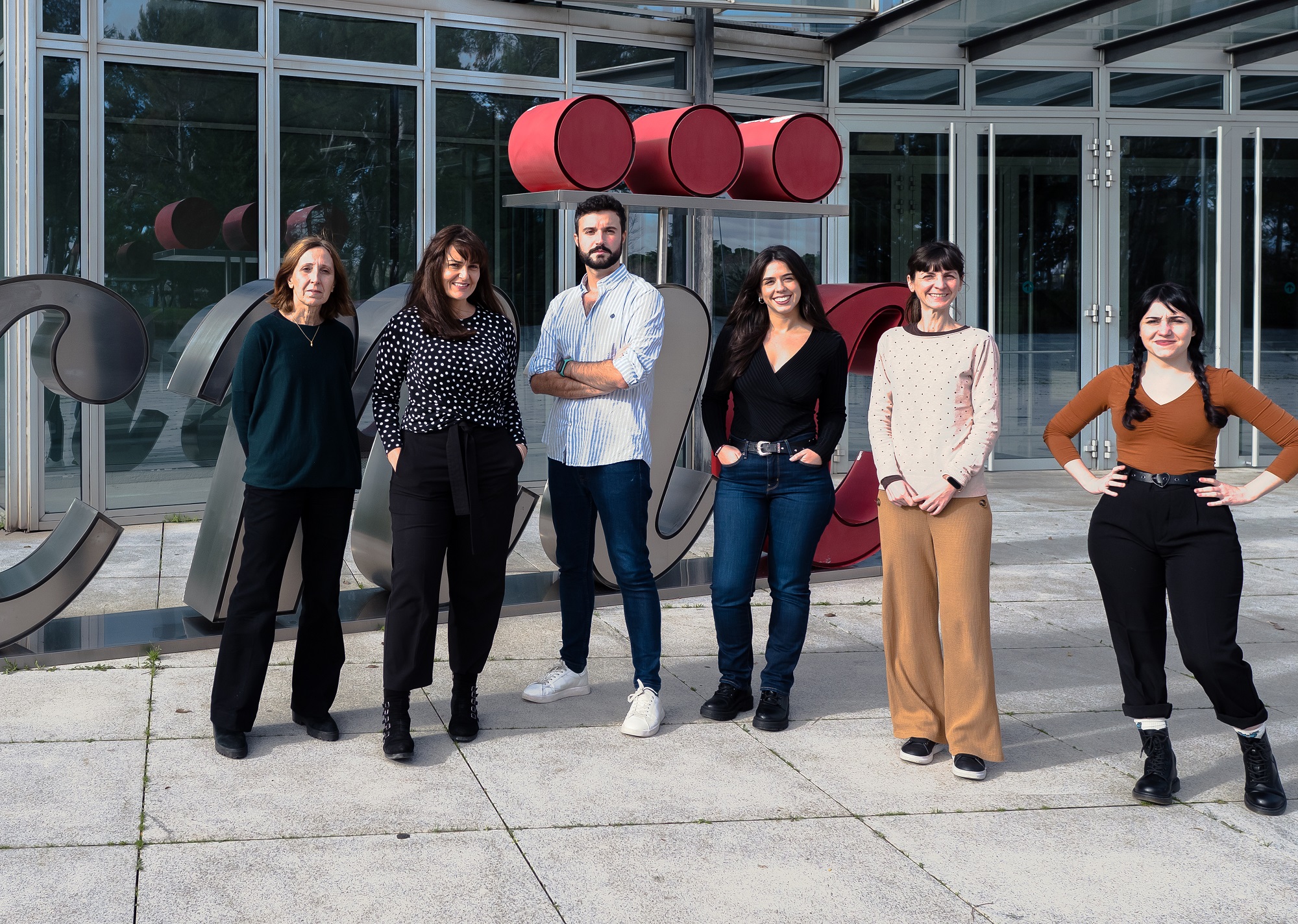 Research 15 Dec 2022 A CNIC team has shown that the retinoid and unsaturated fatty acid sensor RXR is a key protein in the maintenance of a balanced production of the different types of blood cells |
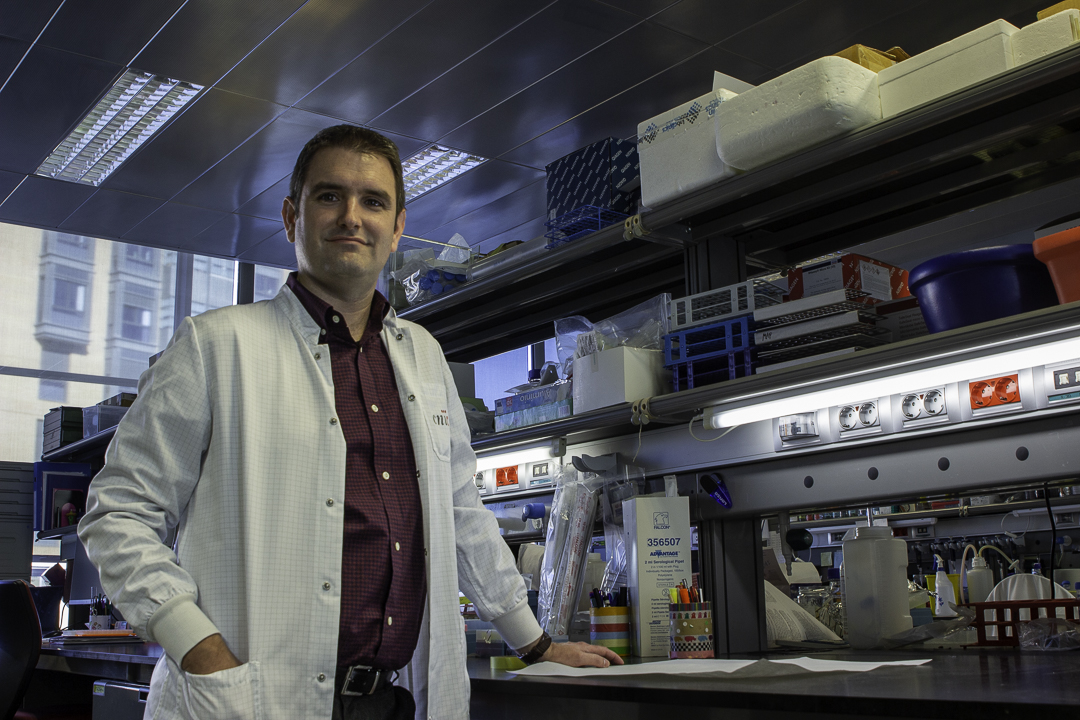 About the CNIC 23 Feb 2022 Researchers from the CNIC and Columbia University (USA) review the role of acquired mutations and clonal hematopoiesis in cardiovascular disease |
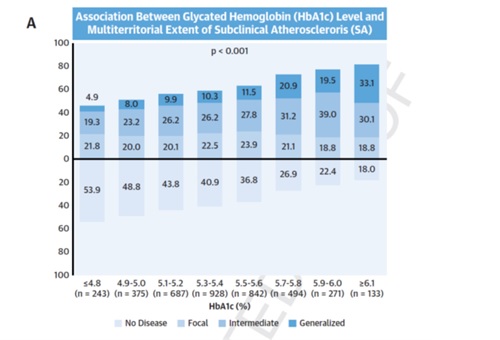 Research 31 May 2021 In an article published in JACC, CNIC scientists report a method for improved ranking of cardiovascular risk in individuals without diabetes |
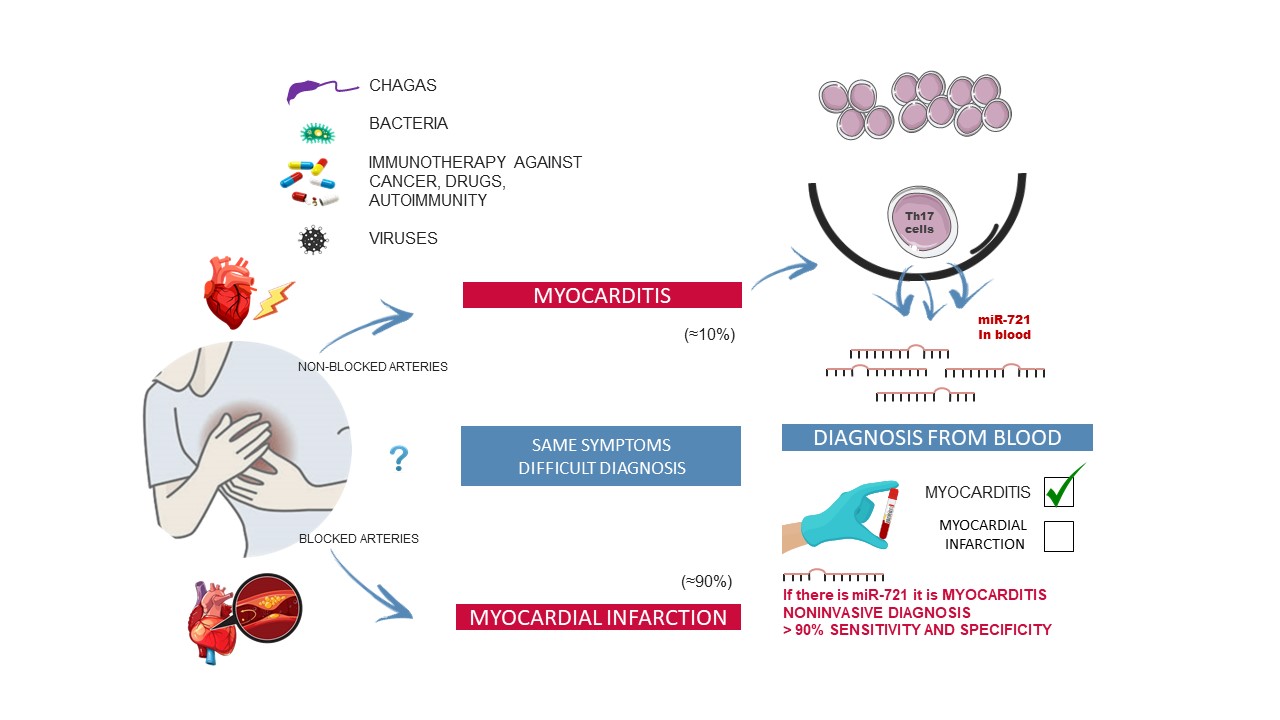 Research 27 May 2021 The diagnosis of acute myocarditis is challenging, and the availability of a sensitive and specific early marker of acute myocardial inflammation could have a major impact on its clinical diagnosis |
 About the CNIC 13 Apr 2021 The new insight supports the need to keep both LDL cholesterol and blood pressure low throughout life by healthy diet choices, weight control, exercise, and, when needed, by drug therapy |
 Research 5 Apr 2021 The study, carried out at the Centro Nacional de Investigaciones Cardiovasculares (CNIC) and the Hospital Universitario Virgen de Arrixaca in Murcia, establishes clonal hematopoiesis as a new cardiovascular risk factor and an important link between aging and cardiovascular disease |
 About the CNIC 10 Dec 2020 AngioUnrestUHD, will develop and apply new research tools and methods to advance knowledge about the biology of blood vessels in distinct physiological and pathological contexts |
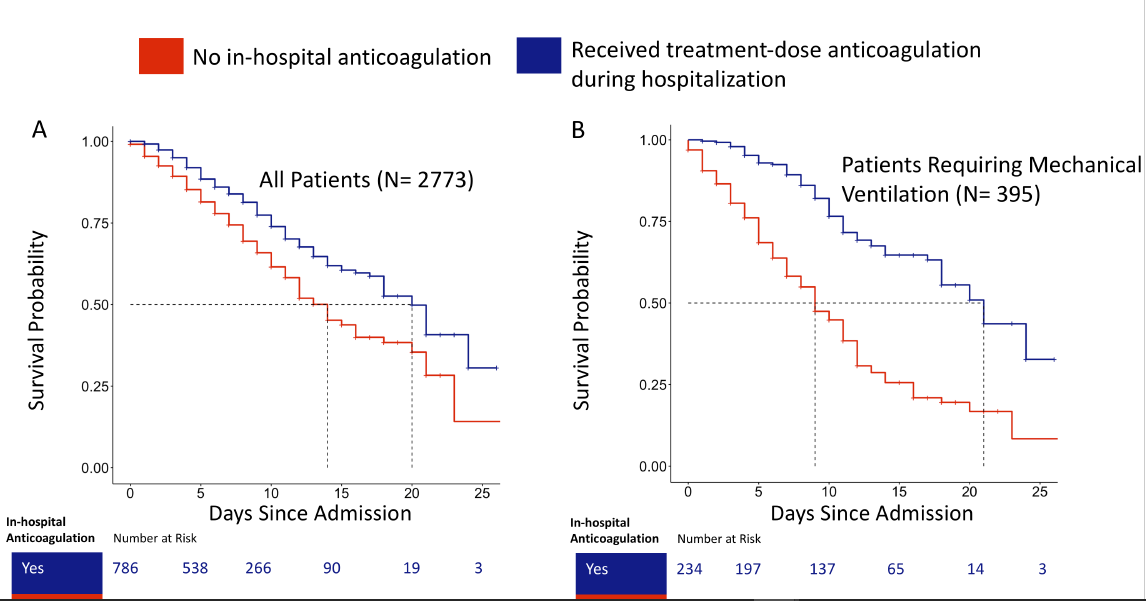 Research 7 May 2020 Research could change standard of care protocols to prevent clotting associated with coronavirus |
 About the CNIC 30 Oct 2019 The project aims to study how certain mutations acquired in blood cells and traditionally associated with a high risk of developing leukemia can also contribute to the development of cardiovascular disease and become a new and independent cardiovascular risk factor to classical factors |
- ‹ previous
- 2 of 3
- next ›